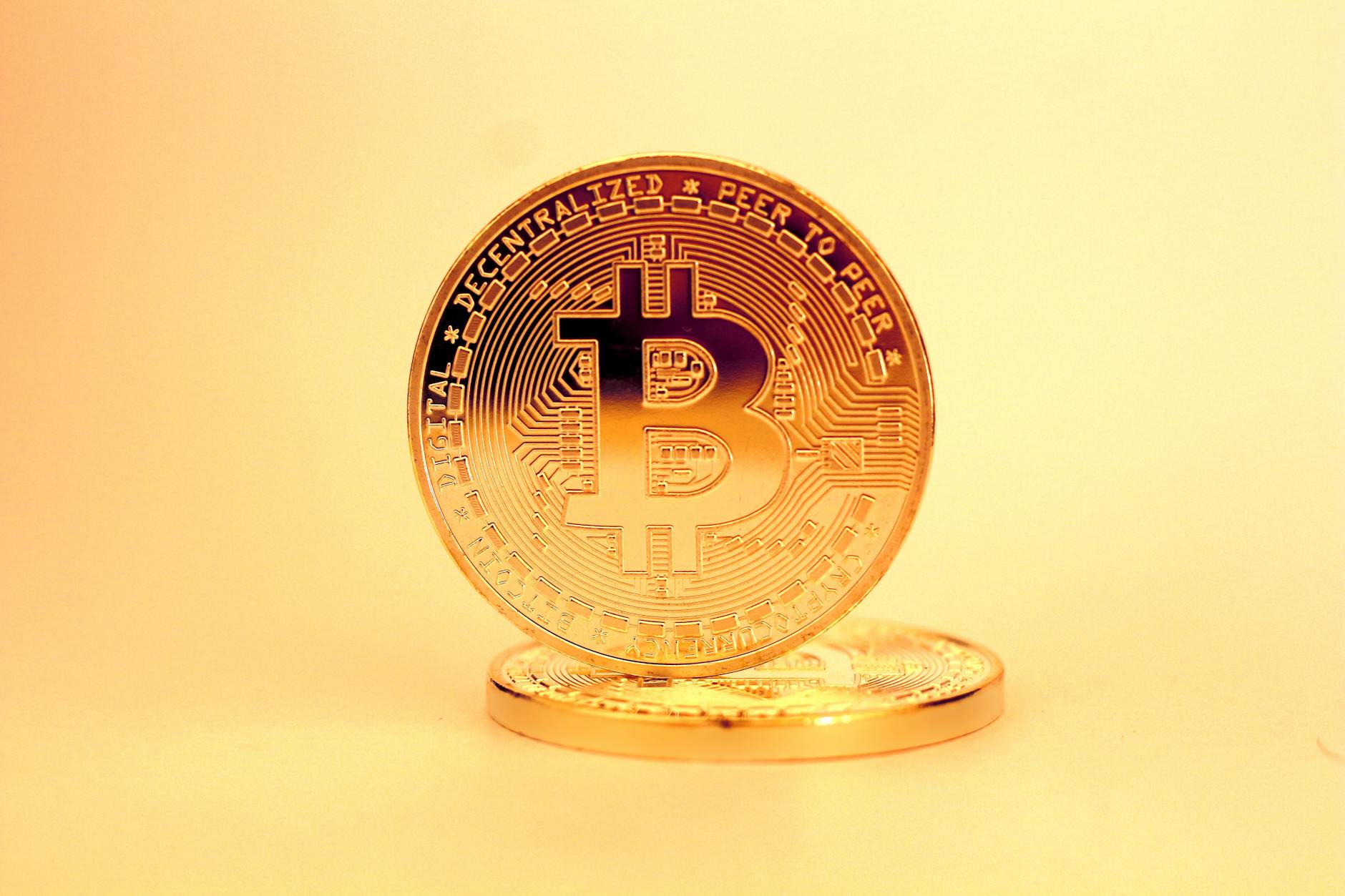
Understanding Decentralized Betting: Your Gateway to Anonymity and Control
Decentralized betting, at its core, leverages blockchain technology to offer a revolutionary alternative to traditional online gambling. Unlike centralized platforms where a single entity controls all aspects – from payment processing to odds setting and dispute resolution – decentralized applications (dApps) operate on a distributed network. This fundamental shift means no single point of failure, enhanced security through cryptographic validation, and a level of transparency previously unattainable. Every wager, every payout, and every transaction is immutably recorded on a public ledger, fostering trust and eliminating the need for intermediaries. This architecture not only streamlines processes but also dramatically reduces the potential for manipulation, ensuring fairer play for all participants.
The implications of this decentralized model are profound, particularly regarding user autonomy and privacy. One of the most compelling advantages is the ability to engage in betting without the stringent Know Your Customer (KYC) requirements often imposed by traditional operators. This translates into unparalleled anonymity, allowing users to participate without revealing sensitive personal information. Furthermore, decentralized platforms empower users with direct control over their funds. Instead of depositing money into a platform's account, funds are typically held in smart contracts, which are self-executing agreements coded onto the blockchain. This means payouts are often automatic and instant upon the resolution of an event, removing delays and potential withholding issues, thus granting users a greater sense of financial sovereignty.
Betting on the Blockchain: Practical Steps, Common Queries, and Security Best Practices
Navigating the burgeoning landscape of blockchain-based betting requires a strategic approach. First, understand the core mechanics: most platforms operate with smart contracts on chains like Ethereum or Polygon, ensuring transparency and immutability. Practical steps include selecting a reputable decentralized application (dApp), which often involves researching their audit reports, community sentiment, and liquidity. You'll then need a compatible cryptocurrency wallet (e.g., MetaMask) and acquire the necessary tokens (e.g., ETH, USDC) to fund your betting activities. Always start with small stakes as you familiarize yourself with the platform’s interface and the nuances of blockchain transactions.
Common queries often revolve around the legality, volatility, and transaction fees associated with crypto betting. While the legal landscape is evolving, always check your local regulations before participating. Cryptocurrency volatility can significantly impact your winnings or stake value, so be prepared for potential fluctuations. Transaction fees (gas fees) can vary widely based on network congestion, so it's wise to monitor these before placing bets. For security best practices, prioritize using strong, unique passwords and enabling two-factor authentication (2FA) on any associated exchange or wallet. Be wary of phishing scams and only interact with official website links. Consider hardware wallets for storing larger amounts of cryptocurrency, offering an additional layer of protection against hacks.