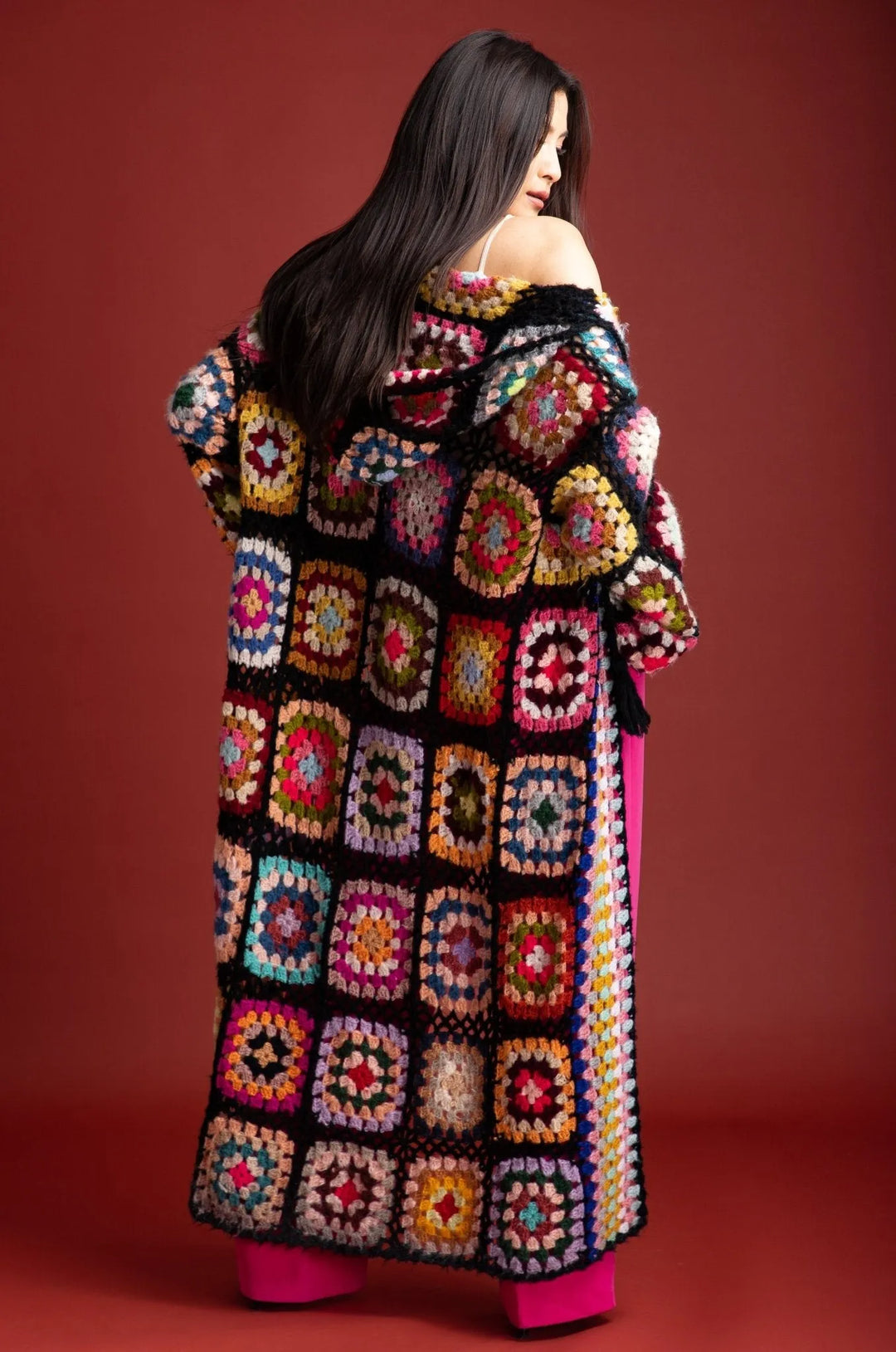
The Art of Kimono Patterns: A Deep Dive into Their Significance
The art of kimono patterns goes beyond mere aesthetics; it holds deep cultural significance in Japan. Each pattern is meticulously crafted, often drawing upon elements from nature, mythology, or historical references, and is chosen to convey a particular message, emotion, or timing. For instance, the kiku (chrysanthemum) pattern symbolizes rejuvenation and is often worn during celebrations. Similarly, the asanoha (hemp leaf) pattern is cherished for its representation of growth and resilience, making it a popular choice for auspicious occasions. By understanding these patterns, one gains a glimpse into the rich tapestry of Japanese heritage and the stories each garment tells.
Moreover, the significance of kimono patterns evolves with the seasons and social contexts, reflecting the spirit of the times. In this way, traditional designs are not stagnant; they adapt and incorporate contemporary artistic expressions. For example, the shibori technique, which creates intricate tie-dye designs, has gained popularity in modern fashion, blending traditional craftsmanship with innovative styles. Understanding the symbolism behind these patterns allows wearers to express their identities, personalities, and connections to their cultural roots while also appreciating the historical narrative woven into each piece.
If you're a fan of the popular anime series, visiting a demon slayer shop can be a delightful experience. You'll find a variety of merchandise including clothing, figures, and accessories that feature your favorite characters from the show. Whether you're looking for gifts or just want to treat yourself, there's something for every fan.
How to Incorporate Traditional Kimono Designs into Modern Hoodie Styles
Integrating traditional kimono designs into modern hoodie styles is an innovative way to bring cultural heritage into contemporary fashion. Begin by selecting a hoodie in a neutral color palette to allow the intricate patterns of the kimono fabric to stand out. Opt for fabrics that are lightweight and breathable, reminiscent of the traditional silk used in kimonos. You can incorporate elements such as floral motifs, asymmetrical hems, and wide sleeves that echo the silhouette of a classic kimono. By pairing these elements with modern cuts, you create a unique blend of old and new that appeals to a wide audience.
To enhance the aesthetic further, consider using embroidered patches or screen printing techniques to showcase iconic symbols from kimono art. For instance, a dragon or cherry blossom motif could be applied to the back of the hoodie while maintaining an elegant overall look. Layering is also essential; try wearing the hoodie over traditional Japanese garments like a hakama or yukata to capture the essence of both styles creatively. Remember, the key is to celebrate the beauty of kimono designs while making them accessible and relevant to modern streetwear enthusiasts.
What Makes Kimono Patterns Timeless: Exploring Their Cultural Impact
The beauty and diversity of kimono patterns have captivated people around the world for centuries. Originating in Japan, these intricate designs not only reflect a deep cultural heritage but also represent various themes, nature, and seasons. From bold, vibrant colors to subtle, monochrome motifs, each pattern tells a story and breathes life into the traditional garment. Moreover, the patterns are often tied to specific events or rites of passage, making them a timeless symbol of identity and expression within Japanese culture.
The cultural impact of kimono patterns transcends borders and generations, influencing fashion trends and design aesthetics globally. Today, designers are incorporating these enchanting motifs into modern wear, illustrating their enduring appeal. Additionally, as contemporary artists and fashionistas embrace the beauty of traditional designs, they keep these patterns alive while adapting them to fit current styles. Ultimately, the timelessness of kimono patterns lies in their ability to bridge the past and present, continuously inspiring creativity and appreciation across cultures.