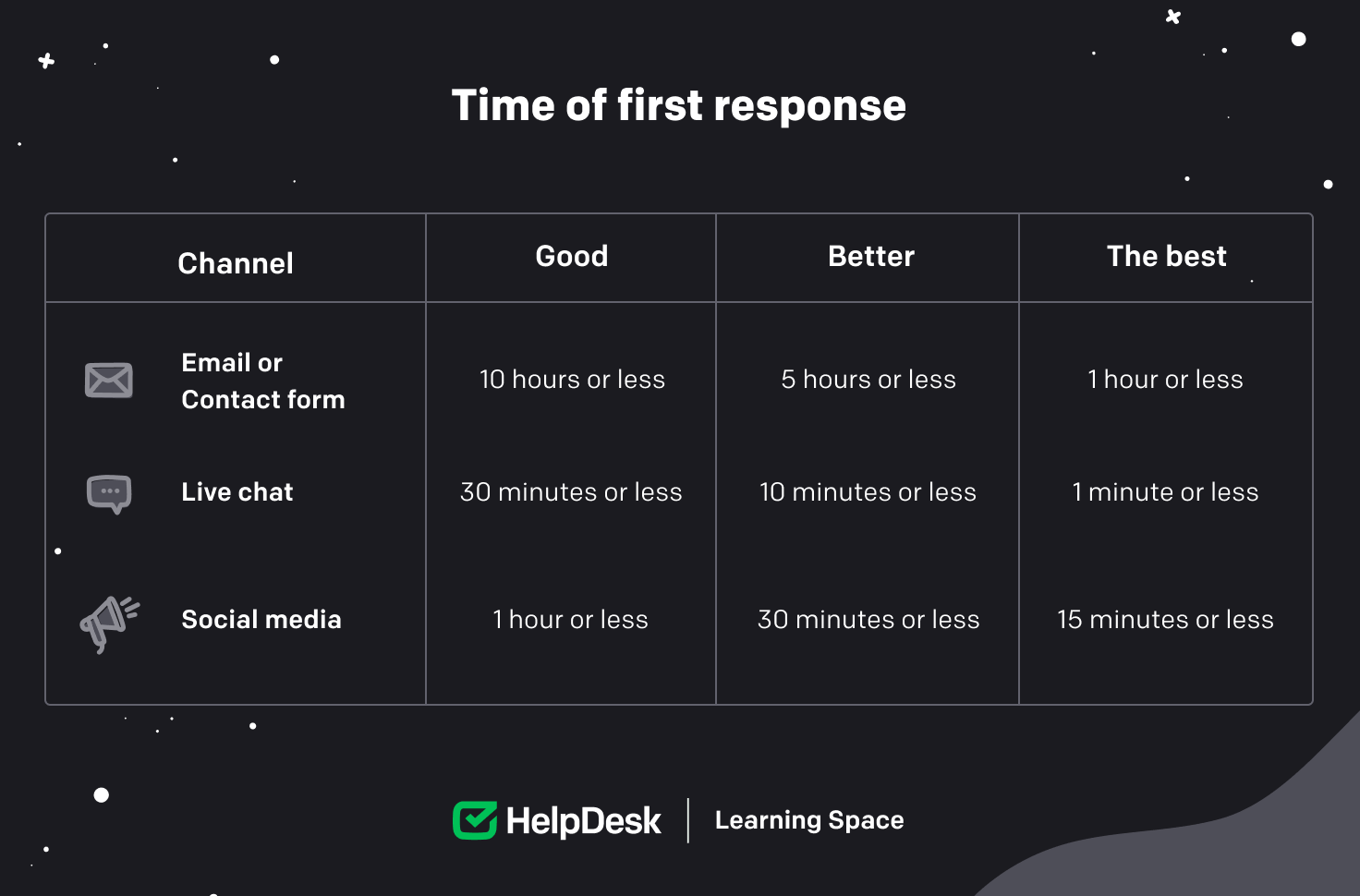
Why Customer Support Response Times Matter: Key Insights
Customer support response times play a vital role in shaping customer satisfaction and loyalty. In a world where consumers expect instant gratification, delayed responses can lead to frustration and lost business. According to a recent study, 45% of customers abandon their inquiries if they don't receive a timely response, highlighting the need for businesses to prioritize efficiency in their support processes. Quick response times not only improve the customer experience but also enhance the overall perception of the brand.
Moreover, fast response times can significantly impact a company's reputation. Businesses that consistently provide prompt support often enjoy a higher customer retention rate and increased word-of-mouth referrals. To put this into perspective, a survey revealed that customers are willing to pay more for better service. Companies should leverage tools like chatbots or automated responses during peak hours to ensure that customers feel valued and attended to, making customer support response times a crucial aspect of successful business strategy.
Don't miss out on the amazing deals available with a shuffle promo code. These discounts can help you save significantly on your next purchase, making it easier to enjoy all the features and benefits Shuffle has to offer.
How Fast Response Times Enhance Customer Loyalty
In today's fast-paced digital landscape, fast response times play a crucial role in enhancing customer loyalty. When customers reach out for support or have inquiries, their expectation is to receive prompt attention. A study by Zendesk indicates that 42% of customers expect a response within an hour. This urgency leads businesses to prioritize swift communication, creating a rewarding experience for customers. By consistently meeting or exceeding these expectations, companies can foster trust, making customers feel valued and appreciated.
Moreover, exceeding response time expectations can significantly boost customer retention. When customers experience rapid resolutions to their issues, they are more likely to engage in repeat business. Establishing a reputation for fast response times not only enhances customer satisfaction but also encourages positive word-of-mouth marketing. In fact, a survey by HubSpot reveals that 90% of customers are likely to purchase again from a company that provides excellent customer service. Therefore, businesses that invest in improving their response times are not just enhancing their service; they are actively building a loyal customer base.
What Are the Best Practices for Improving Support Response Times?
Improving support response times is critical for enhancing customer satisfaction and retention. Here are some best practices that can help achieve this goal:
- Implement Automation: Utilize chatbots and automated response systems to handle common inquiries and FAQs, freeing up human agents to tackle more complex issues.
- Set Clear Response Time Goals: Establish benchmarks for response times and communicate these to your team, ensuring everyone understands the importance of meeting these targets.
- Train Your Support Team: Regular training sessions can significantly boost the efficiency of your agents, enabling them to resolve issues more quickly.
Additionally, monitoring performance metrics is essential for ongoing improvement. Here are a few metrics to consider:
- Average Response Time: Track the time it takes for your support team to respond to inquiries, identifying areas for improvement.
- Customer Satisfaction Scores: Collect feedback to gauge how well your response times are meeting customer expectations.
- First Contact Resolution Rate: Focus on resolving issues during the first interaction to enhance efficiency and customer experience.