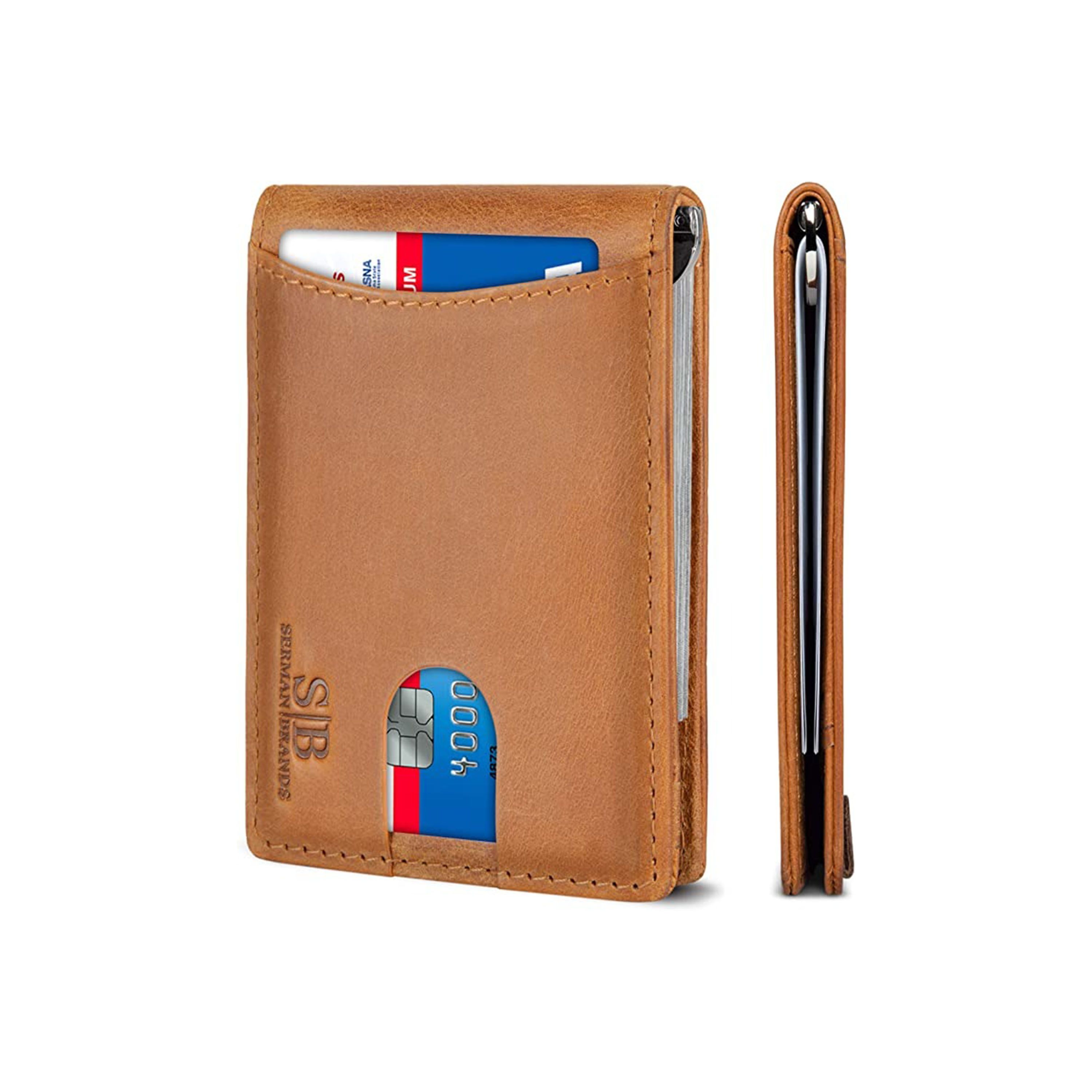
The Hidden Dangers of Smart Wallets: What You Need to Know
Smart wallets have emerged as a popular accessory, offering convenience and advanced features like Bluetooth tracking, RFID protection, and integration with mobile apps. However, the hidden dangers of smart wallets are often overlooked. One significant concern is the risk of hacking; as these wallets connect to your smartphone via Bluetooth, they become susceptible to unauthorized access. Hackers can exploit vulnerabilities to steal sensitive information, including credit card details and personal data, putting your financial security at risk.
Another issue is the potential for physical vulnerabilities. While smart wallets are designed to protect against theft and loss, they also rely on batteries and electronics that can malfunction. If your wallet's battery dies, you may lose access to essential functions, creating inconvenience and exposing you to additional risks. Furthermore, the reliance on technology can lead to a false sense of security, as many users may neglect traditional safety precautions. It's essential to consider these risks and remain vigilant when using a smart wallet.
Counter-Strike is a highly popular first-person shooter game that pits teams of terrorists against counter-terrorists in a strategic battle. Players can choose different game modes, with the classic mode focusing on completing objectives like bomb defusal and hostage rescue. For those looking for the best accessories, check out the Top 10 airtag wallets to keep your gear organized and secure, enhancing your gaming experience.
Why Traditional Wallets Are Making a Comeback: A Look at Security and Simplicity
In an age dominated by digital transactions and cryptocurrency, traditional wallets are finding their way back into the hands of consumers. This resurgence can be largely attributed to growing concerns regarding security in the digital realm. As cyber threats become more sophisticated, many individuals are beginning to appreciate the tangible nature of cash and cards that traditional wallets offer. The physical security of a wallet, combined with the ability to easily access one’s funds without the need for complex technology, is becoming increasingly appealing. With data breaches and identity theft on the rise, people are opting for simplicity and security over the convenience of digital payments.
Moreover, traditional wallets emphasize simplicity in personal finance. Unlike digital wallets that can be cluttered with multiple apps and online accounts, a traditional wallet provides a straightforward way to manage cash, cards, and identification all in one place. The tactile experience of handling physical money can also enhance budgeting practices, making it easier for users to track their spending habits. In conclusion, as more individuals seek to balance digital convenience with the security and simplicity offered by traditional wallets, it’s clear that this timeless accessory is not just a relic of the past, but an enduring solution for modern financial management.
Is Your Smart Wallet Putting Your Privacy at Risk?
As technology continues to evolve, smart wallets have emerged as innovative tools for managing finances and personal belongings. However, with the convenience these wallets offer, a critical question arises: Is your smart wallet putting your privacy at risk? Most smart wallets utilize Bluetooth connectivity and various apps to track spending and even locate lost items. While these features enhance usability, they can also expose users to potential security vulnerabilities, as sensitive data might be transmitted over unsecured networks or stored inadequately.
Furthermore, many smart wallet manufacturers gather user data to improve their products or for targeted marketing. This data collection can lead to unintended privacy breaches, especially if the company does not have robust security measures in place. To mitigate these risks, smart wallet owners should consider implementing the following precautions:
- Regularly update wallet software and related apps to ensure the latest security patches are applied.
- Review and adjust privacy settings according to your comfort level.
- Be cautious about the personal information you share and the apps you connect with your wallet.
Ultimately, while smart wallets can enhance financial management, it's essential to stay informed and take proactive measures to protect your privacy.