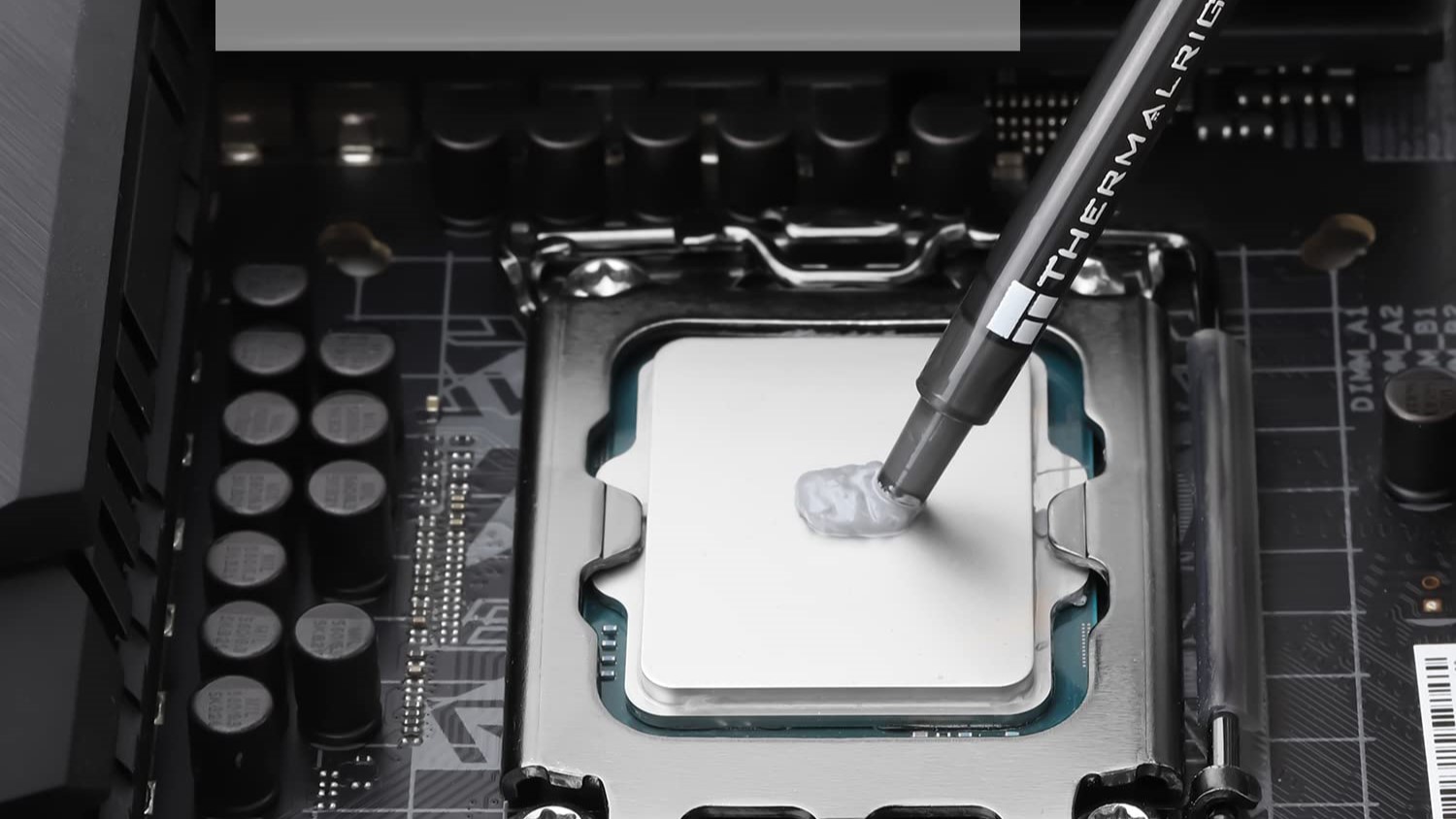
The Art of Thermal Paste: Why It’s the Unsung Hero of Your Tech Setup
Thermal paste is often overlooked in the hustle and bustle of building or upgrading a computer, yet it plays a crucial role in maintaining optimal performance. When heat-generating components like CPUs and GPUs are installed, thermal paste acts as an essential bridge between the processor and its cooler. This viscous compound fills in the microscopic imperfections on the surfaces of the two components, ensuring efficient heat transfer. Without it, your tech setup risks overheating, which can lead to reduced performance, increased wear, or even permanent damage. It's time to recognize thermal paste as an unsung hero that quietly safeguards your hardware from heat-related failures.
Choosing the right thermal paste and applying it correctly can make a significant difference in your tech's performance. There are various types of thermal compounds available, including silicone-based, metal-based, and even liquid metal variants. Each has its own unique properties and performance levels, so researching the best option for your specific components is vital. When applying thermal paste, remember the golden rule: a small amount goes a long way. A pea-sized dot in the center of the CPU is typically sufficient. Spreading it out unevenly or using too much can lead to waste and potential mess. In short, mastering the art of thermal paste application is key to unlocking the full potential of your tech setup.
Counter-Strike is a popular tactical first-person shooter game that emphasizes teamwork and strategy. Players can choose to fight as terrorists or counter-terrorists, engaging in various game modes and objectives. To enhance your gaming experience, consider investing in Top 10 Laptop Accessories to Prevent Overheating, which can help maintain optimal performance during intense matches.
When Two Components Connect: A Deep Dive into Thermal Paste Relationships
When it comes to building or maintaining a computer, understanding the role of thermal paste is crucial. This material acts as a vital interface between two components: the CPU or GPU and the heatsink. Its primary function is to fill in microscopic imperfections on the surfaces of these components, which allows for better heat transfer. Without adequate thermal paste, the efficiency of cooling systems can plummet, leading to overheating and potential damage to hardware. Ensuring optimal application of thermal paste can mean the difference between a flawlessly running system and one that suffers from heat-related issues.
There are various types of thermal paste available on the market, ranging from silicone-based to
Understanding these options can help enthusiasts and professionals alike make informed decisions when connecting two critical components in their builds.
Is Your CPU-GPU Bond Falling Flat? How to Revitalize It with Thermal Paste
If you've noticed your computer's performance slipping or if you're experiencing unexpected heat issues, it might be a sign that your CPU-GPU bond is weakening. The thermal paste that facilitates heat transfer between these critical components can degrade over time, leading to poor thermal conductivity. This can result in overheating and throttling, ultimately affecting your system's efficiency. Regular maintenance, including renewing your thermal paste, is essential to keep your setup running smoothly and to prevent damage from overheating.
Revitalizing your CPU-GPU bond with fresh thermal paste is not only a straightforward process but also a highly effective one. First, gather the necessary tools: isopropyl alcohol, lint-free cloths, and quality thermal paste. Begin by carefully removing your GPU and CPU heatsinks, ensuring you follow the manufacturer's guidelines. Clean off the old paste with alcohol and a cloth, then apply a thin, even layer of new thermal paste on both the CPU and GPU. Reassemble your components and monitor the temperatures; you should notice a significant improvement in performance and thermal efficiency.