The Rise of Conversational AI: How Your Devices Are Learning to Speak
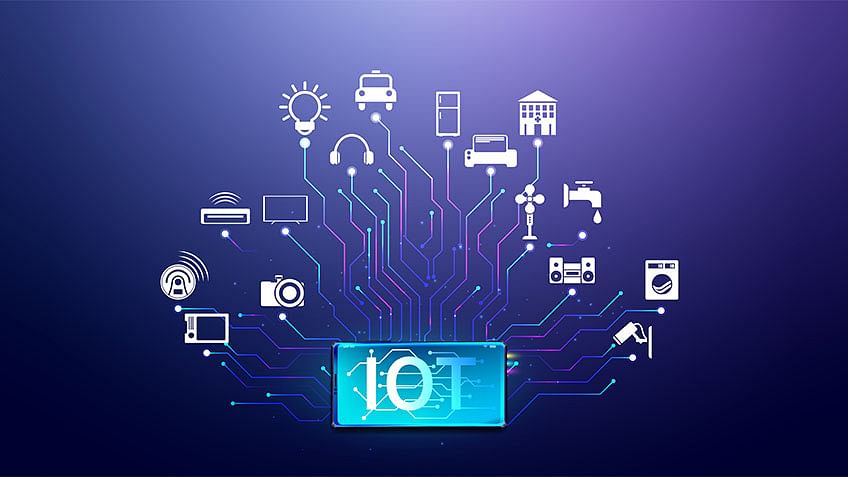
The rapid advancement of conversational AI has reshaped the way we interact with technology. Over the past few years, devices ranging from smartphones to home assistants have become increasingly adept at understanding and processing human language. This transformation is driven by sophisticated algorithms and deep learning techniques that allow machines to learn from vast amounts of conversational data. As a result, everyday tasks such as setting reminders, controlling smart home devices, and answering questions have become more intuitive and efficient, making technology more accessible than ever.
As conversational AI continues to evolve, its applications are expanding rapidly across various industries. From customer service chatbots that provide instant support to virtual personal assistants that help manage our schedules, the impact is significant. Businesses are beginning to realize the value of harnessing these technologies to enhance user experience and streamline operations. With ongoing innovations in natural language processing and machine learning, the days of simple voice commands are giving way to more complex, human-like interactions that promise to redefine the future of communication between humans and machines.
Counter-Strike is a popular tactical first-person shooter game that emphasizes teamwork and strategy. Players join one of two teams, terrorists or counter-terrorists, and engage in objective-based gameplay. For those looking for fun and engaging tools, check out our Top 10 iPad Accessories for Kids to enhance their gaming experience.
When Smart Devices Develop Attitude: Understanding AI Personalities
As smart devices increasingly become integrated into our daily lives, their ability to emulate distinct AI personalities is sparking profound discussions about human interaction with technology. These devices, powered by advanced algorithms, can express behavior patterns that seem almost human-like, including friendliness, empathy, and sometimes even sarcasm. For example, virtual assistants like Siri and Alexa often respond to our requests with a tone that reflects their programmed personality traits, potentially influencing user experience and satisfaction.
Understanding these AI personalities is crucial not only for developers but also for consumers. As smart devices exhibit varying degrees of attitude, they can impact how effectively users engage with them. This brings forth the question: should smart devices really have personalities? Some argue that a more human-like interaction could lead to better productivity, while others warn that it might distort user expectations and relationships with technology. Ultimately, as AI continues to evolve, so will our understanding of these artificial personas and their role in our lives.
Are We Ready for AI with Attitude? Exploring the Implications of Conversational Machines
As AI technology continues to evolve, the emergence of conversational machines with distinct personalities raises intriguing questions about their integration into our daily lives. The concept of AI with attitude invites us to consider how these systems might influence our interactions and decision-making. For instance, will a more personable AI help bridge the communication gap between users and machines, fostering deeper connections? On the flip side, we must also examine the potential pitfalls of implementing such technology, including issues of trust, bias, and ethical responsibility.
Moreover, the readiness for AI with personality goes beyond technical advancements; it delves into societal acceptance and psychological impacts. As we embrace AI systems capable of expressing emotions or opinions, it's crucial to explore how these attributes will shape user experiences. Some key considerations include:
- The potential for enhanced customer service and user engagement.
- The risk of manipulation or emotional exploitation.
- The necessity for transparency in AI interactions.