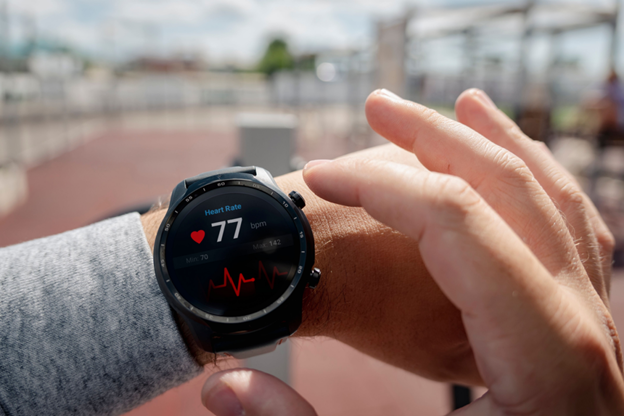
Are Wearable Devices Making Us Too Comfortable? The Unseen Costs of Convenience
The rise of wearable devices has undeniably transformed our lives, offering unparalleled convenience that many have come to rely on daily. From smartwatches tracking our fitness to health monitors providing real-time data, these devices promise a more comfortable lifestyle. However, the question arises: are we becoming too comfortable? As convenience increasingly becomes the norm, concerns are emerging regarding our dependency on technology, which may be eroding essential skills like time management and self-discipline.
Moreover, the unseen costs of convenience extend beyond mere lifestyle habits. With the continuous influx of notifications and alerts, our attention spans are dwindling, leading to a culture of distraction. As we prioritize the ease of accessing information and managing tasks through our devices, we risk neglecting the importance of disconnecting and engaging with the world around us. This growing reliance on wearables begs the question: are these devices enhancing our lives or making us overly comfortable and disconnected from reality?
Counter-Strike is a highly popular multiplayer first-person shooter game that has garnered a massive following since its inception. Players engage in team-based combat, with one team attempting to complete objectives while the other seeks to thwart them. For those looking to enhance their productivity, check out the Top 10 Apple Watch Accessories for the Office to elevate your gaming setup and efficiency.
The Dark Side of Smart Wearables: Health Impacts You Didn't Expect
While smart wearables like fitness trackers and smartwatches can significantly enhance our understanding of health, they often come with unexpected health impacts. For instance, prolonged use of these devices can lead to skin irritation or allergic reactions due to materials used in their design. Additionally, many users report experiencing anxiety related to the constant feedback and data these devices provide, which can lead to an unhealthy obsession with tracking every movement, heartbeat, or calorie burned. This over-constant monitoring can take a toll on mental health, contributing to stress rather than alleviating it, creating a paradox where technology designed to improve health does the opposite.
Moreover, the overwhelming amount of data collected by smart wearables can be misleading. For instance, inaccuracies in heart rate monitoring and step counting are common, leading users to make misguided health decisions. As a result, individuals may overexert themselves based on false data, risking physical injury or burnout. It's essential to approach the metrics provided by smart wearables with a degree of skepticism, acknowledging their potential limitations. In conclusion, while smart wearables offer benefits, understanding their dark side is crucial to fully appreciate their role in our health journeys.
Comfort vs. Consequences: Evaluating the Trade-offs of Wearable Technology
As technology evolves, wearable technology has become an integral part of our daily lives. From smartwatches that track our fitness to health monitors that provide real-time data, these devices offer a level of comfort that was previously unimaginable. Users can enjoy the convenience of having vital information at their fingertips and the ability to monitor their health without visiting a doctor. However, this ease comes with potential consequences; concerns about privacy, data security, and the psychological impacts of constant connectivity must be carefully weighed. Are we trading our peace of mind for convenience?
Moreover, the desire for comfort through wearable technology often brings about unintended health issues. For instance, excessive reliance on fitness trackers may lead to anxiety about performance or body image, where users feel pressured to meet unrealistic goals. Additionally, the constant notifications from these devices can disrupt our daily lives, affecting mental health and relationships. Consequently, while the allure of wearable technology is strong, it's essential to scrutinize both the comfort it provides and the potential consequences it brings. A balanced approach is vital for fully benefiting from this technology.