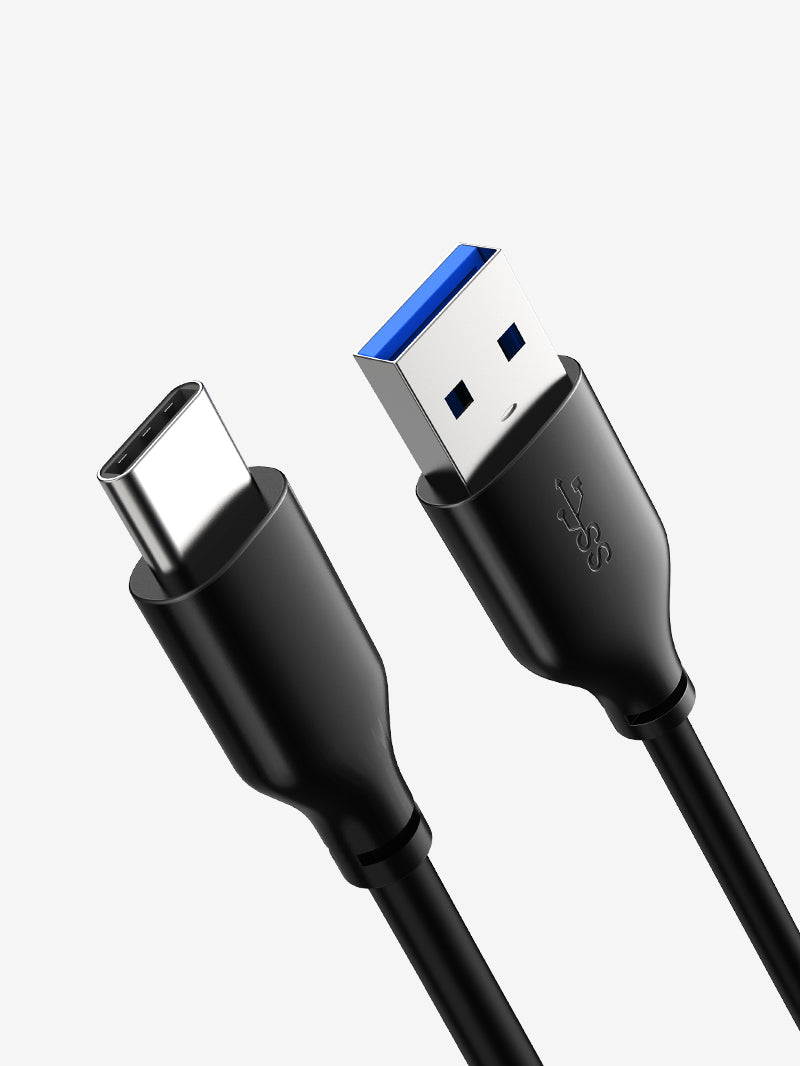
5 Reasons USB-C is Revolutionizing Modern Technology
The emergence of USB-C is reshaping the landscape of modern technology, and its growing popularity can be attributed to several compelling factors. First and foremost, the USB-C connector is designed to be universal, allowing users to streamline their charging and data transfer needs across multiple devices. This ease of use not only enhances convenience but also reduces clutter, as users can rely on a single type of cable for smartphones, laptops, and other gadgets. Additionally, the reversible design of the USB-C connector eliminates the frustration of fumbling with cables, making the tech experience smoother and more user-friendly.
Another reason USB-C is revolutionizing technology is its impressive data transfer speed and power delivery capabilities. With support for USB 3.1 and Thunderbolt 3 standards, USB-C can deliver data rates of up to 40 Gbps, significantly enhancing productivity and efficiency for professionals who work with large files. Furthermore, the power delivery feature enables faster charging, with the ability to deliver up to 100 watts of power to devices, including laptops. This versatility and efficiency make USB-C not just a simple connector, but a robust solution that is paving the way for the future of electronic connectivity.
Counter-Strike is a popular first-person shooter game that has become a cornerstone of competitive gaming since its release. Players assume the roles of terrorists and counter-terrorists, engaging in various game modes that require strategy, teamwork, and skill. To enhance your gaming setup, consider checking out the Top 10 usb c accessories that can help improve your experience.
How USB-C is Streamlining Your Device Charging and Data Transfer
The advent of USB-C has revolutionized the way we charge and transfer data between devices. This versatile standard offers a universal solution, providing a single connection type that is compatible with a wide array of gadgets, including smartphones, laptops, and tablets. With its robust design, USB-C not only supports faster charging capabilities but also enables high-speed data transfers, simplifying the user experience by reducing the need for multiple cables and adapters. This consolidation of technology streamlines our daily routines, allowing us to stay connected and productive with fewer interruptions.
One of the standout features of USB-C is its reversible design, which eliminates the frustration of fumbling to plug in a connector the right way. This user-friendly design enhances convenience, especially in low-light conditions or for those on the move. Furthermore, the enhanced power delivery of USB-C supports a range of devices, from small accessories to high-performance laptops, making it a forward-thinking solution that meets the demands of extensive device ecosystems. As technology continues to evolve, USB-C remains at the forefront of innovation, streamlining both charging and data transfer processes for users across the globe.
Is USB-C the Future: What You Need to Know About This Connector
In recent years, USB-C has emerged as a game-changing connector, poised to become the standard for a wide range of devices. Unlike its predecessors, USB-C features a reversible design, meaning users can plug it in either way, eliminating frustration. With the ability to transfer data at speeds of up to 40 Gbps and deliver power up to 100 watts, USB-C is not only versatile but also efficient. Many leading tech companies have already started transitioning their devices to this universal standard, making it essential for consumers to be informed about its benefits.
As we look towards the future, it is important to understand how USB-C will shape the tech landscape. One of its significant advantages is its compatibility with various devices, including smartphones, laptops, tablets, and more. This universal adoption reduces the number of cables and ports needed, leading to a more streamlined experience for users. Additionally, as industries increasingly shift towards sustainability, adopting a single connection type like USB-C can significantly minimize electronic waste, making it not just a technological advancement but also an environmental one.