The Benefits of Using Tempered Glass in Modern Architecture
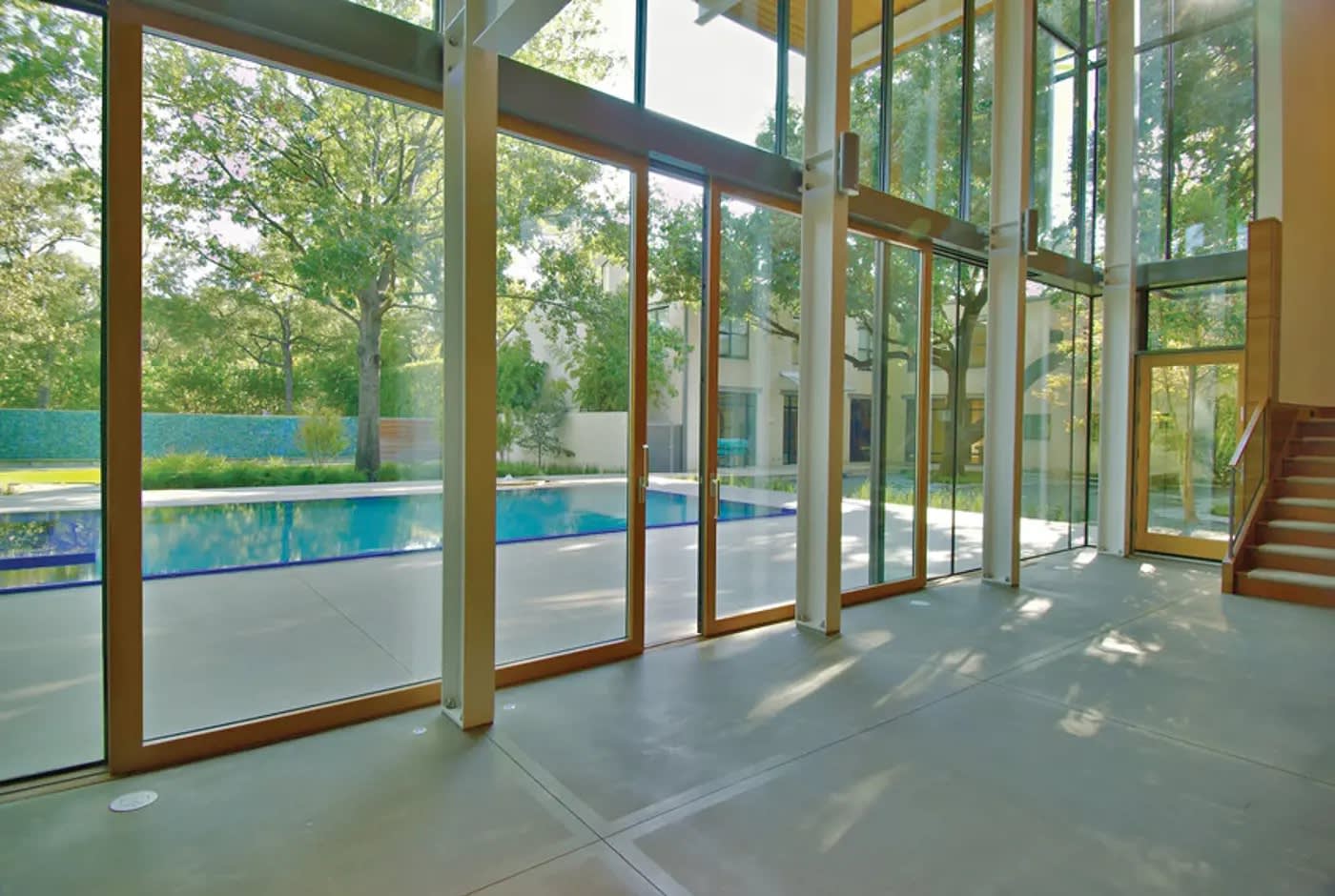
Tempered glass has revolutionized the landscape of modern architecture by combining durability with aesthetic appeal. One of the primary benefits of using tempered glass is its enhanced strength compared to regular glass, making it resistant to thermal stress and impact. This makes it an ideal choice for large windows and facades that must withstand environmental pressures while providing optimal natural light. Additionally, its ability to shatter into small, blunt pieces rather than sharp shards increases safety for both occupants and passersby, making it a favored material among architects and builders.
Furthermore, tempered glass contributes to energy efficiency in buildings. By allowing natural light to illuminate interiors, it reduces the reliance on artificial lighting, thus lowering energy consumption. This not only benefits the environment but also leads to cost savings for homeowners and businesses. Using tempered glass in modern architecture also enhances the aesthetic appeal of a structure, allowing for sleek, minimalist designs that seamlessly integrate the indoors with the outdoors. As a result, many architects consider tempered glass an essential material in their designs, combining form and function in innovative ways.
Counter-Strike is a popular multiplayer first-person shooter game that has captivated gamers around the world since its release. With its tactical gameplay and team-based mechanics, players must work together to outsmart opponents and complete objectives. If you're looking to enhance your gaming experience and protect your devices, check out these Top 10 iPhone screen protectors to ensure your phone stays safe during intense matches.
How Tempered Glass Enhances Safety and Aesthetics in Interior Design
Tempered glass has revolutionized the interior design landscape by offering both enhanced safety and striking aesthetics. Unlike regular glass, tempered glass undergoes a heating and cooling process that makes it significantly more durable and resistant to breakage. This safety enhancement minimizes the risk of injury from shattering glass, making it an excellent choice for a range of applications, from shower doors to glass railings. Its superior strength allows designers to create open, airy spaces without compromising safety, providing peace of mind to homeowners and designers alike.
In addition to its safety features, tempered glass contributes to the visual appeal of interior spaces. Its ability to allow natural light while maintaining a sleek, modern look makes it a popular choice for various design elements. From balustrades and room dividers to shower enclosures, the clarity and luminosity of tempered glass can enhance the overall ambiance of a room. Moreover, it can be easily treated with coatings to achieve various finishes, further allowing designers to personalize and harmonize with their overall aesthetic vision.
What Makes Tempered Glass a Sustainable Choice for Contemporary Designs?
Tempered glass is gaining popularity in contemporary design due to its versatility and strength. As a sustainable choice, it is produced through a process of heating and rapid cooling, which enhances its durability and resistance to thermal shock. This process not only ensures that the glass is less likely to break but also allows it to last longer than traditional glass options. By incorporating tempered glass into design elements such as windows, doors, and partitions, architects and designers can reduce the frequency of replacements, thereby decreasing waste and contributing to a more sustainable environment.
Moreover, tempered glass is fully recyclable, making it an eco-friendly choice for modern design projects. Once its lifecycle is complete, it can be broken down and transformed into new glass products without losing quality. This recyclability promotes a circular economy, minimizing the demand for raw materials and reducing energy consumption. By choosing tempered glass, designers not only enhance aesthetic appeal and functionality but also support sustainability initiatives in building and manufacturing practices.