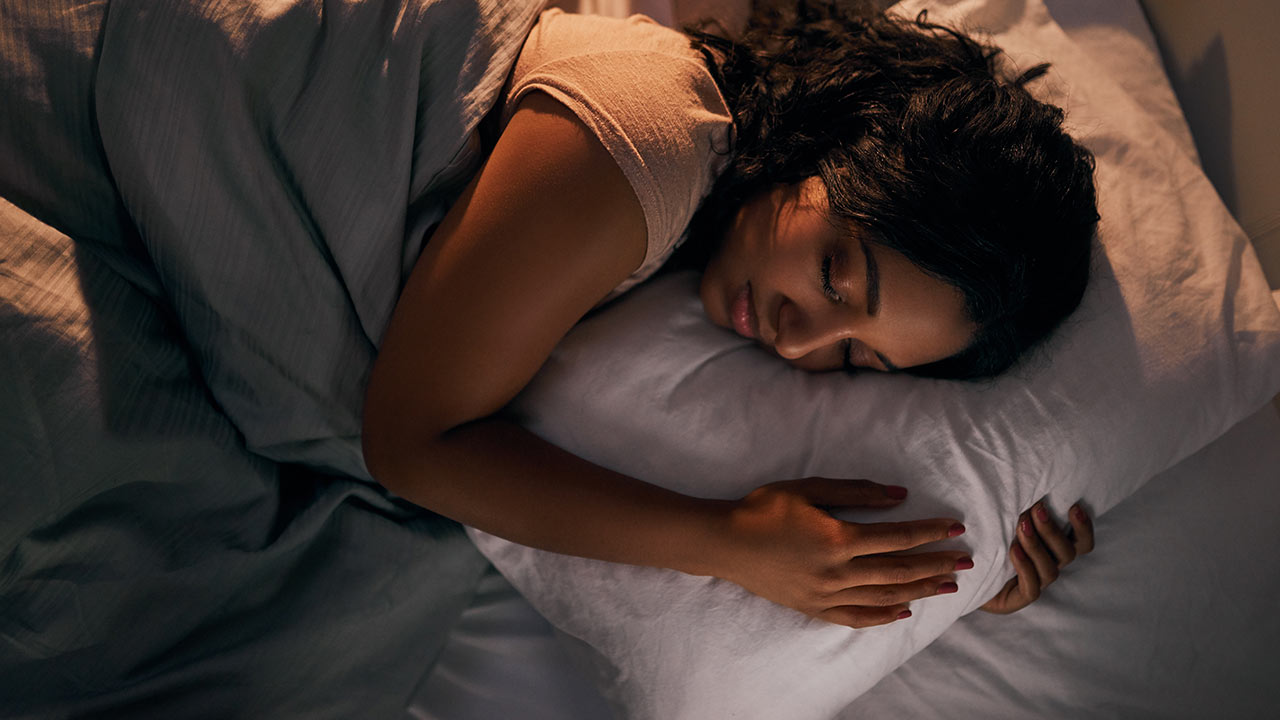
The Science Behind Sleep: What We Can Learn from Nature
The science behind sleep reveals a fascinating interplay between our bodies and the natural world. Just as nocturnal animals utilize the cover of darkness for rest and safety, humans too have evolved to follow the rhythms of the day-night cycle. This circadian rhythm is influenced by external cues such as light and temperature, guiding our sleep-wake patterns. Research has shown that aligning our sleep with these natural cycles can improve not only our sleep quality but also our mental and physical health.
Moreover, examining the sleep behaviors of various species, from migratory birds that adjust their sleep duration based on seasonal changes to hibernating animals that enter prolonged states of rest, provides valuable insights. For example, bats can sleep for up to 20 hours a day, while many marine mammals engage in unihemispheric sleep, allowing one half of their brain to rest while the other remains alert. These adaptations teach us that sleep is not a uniform necessity but a complex necessity shaped by evolutionary pressures and environmental factors.
Counter-Strike is a highly popular tactical first-person shooter game that pits teams of terrorists against counter-terrorists in a variety of game modes. Players must work together to complete objectives, such as planting or defusing bombs and rescuing hostages. For those looking to enhance their gaming experience, check out the Top 10 Apple Watch Bands for Sleep to track your health metrics while playing.
Top 5 Animals Known for Their Impressive Sleep Patterns
When it comes to sleep patterns, various animals exhibit remarkable adaptations that allow them to thrive in their environments. For instance, the Southern Elephant Seal can sleep for up to 20 hours a day, utilizing this time to conserve energy while diving deep into the ocean for food. Similarly, the Koala manages to find peace in the eucalyptus trees, sleeping around 18 to 22 hours daily, primarily due to their low-calorie diet.
Another fascinating example is the Bat, which can sleep for over 20 hours a day, hanging upside down and relying on their acute sense of hearing to remain aware of potential threats. Additionally, the Slug has a different approach, entering periods of deep sleep for several days at a time to avoid predators and conserve moisture. Lastly, the Opossum stands out with its ability to enter a deep state of sleep, playing dead as a defense mechanism against predators. These animals exemplify the diverse and intriguing ways in which sleep patterns have evolved in the animal kingdom.
How to Create a Sleep-Friendly Environment Inspired by Nature
Creating a sleep-friendly environment inspired by nature can significantly improve your sleep quality and overall well-being. Start by incorporating natural elements into your bedroom design. Use earthy tones such as greens, browns, and soft blues to mimic the calming colors found in nature. Consider adding plants like lavender or snake plants, which not only enhance the aesthetic but also purify the air. Additionally, choose natural materials for your bedding, such as organic cotton or bamboo, to ensure a comfortable and breathable sleeping surface.
Lighting plays a crucial role in establishing a serene atmosphere. Emulate natural light by using soft, warm bulbs or candles that create a gentle glow in the evening. Blackout curtains can help darken the room, simulating nighttime in nature, which is essential for melatonin production. You might also explore the soothing sounds of nature, such as a white noise machine or a gentle fan, to create a peaceful background that lulls you to sleep. By transforming your bedroom into a tranquil retreat inspired by the outdoors, you're on your way to achieving better sleep and enhancing your health.