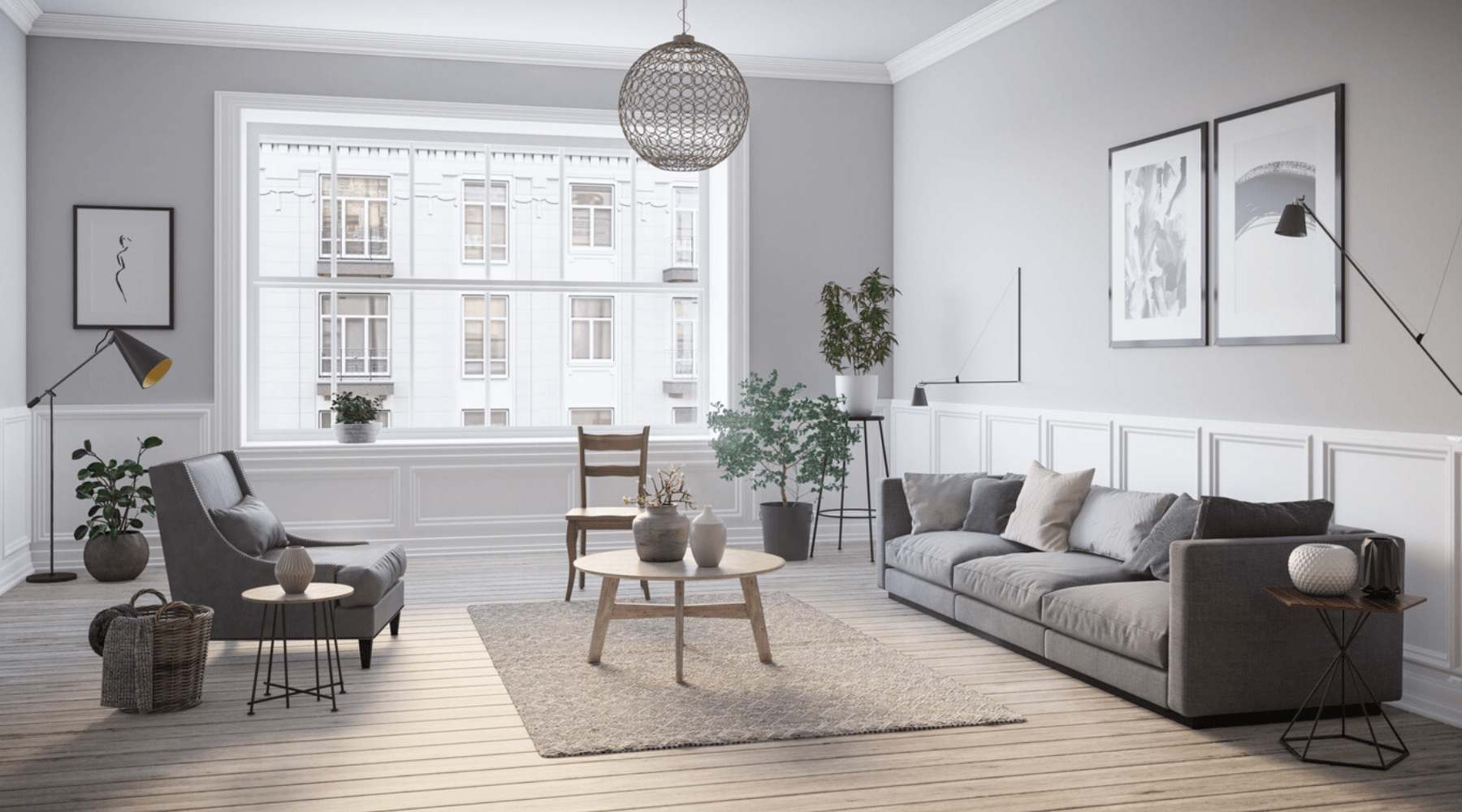
The Benefits of Minimalism: How Simplifying Your Space Can Elevate Your Life
Embracing minimalism can lead to remarkable benefits, transforming not just your physical space but also your mental well-being. By decluttering your home and reducing possessions, you create an environment that fosters peace and clarity. Without the distractions of excess belongings, you can focus on what truly matters in your life, whether that be personal relationships, hobbies, or professional goals. Studies have shown that a simplified space can significantly reduce stress levels and increase productivity, allowing you to thrive both personally and professionally.
Additionally, minimalism encourages mindfulness and intentionality in daily living. When you surround yourself with only what you love and need, you become more conscious of your choices—be it in terms of purchases, commitments, or time management. This intentional approach not only enhances your quality of life but also promotes sustainability, as you become more mindful of your consumption habits. In essence, by adopting a minimalist lifestyle, you can elevate your life by prioritizing experiences and emotional connections over material possessions.
Counter-Strike is a popular first-person shooter video game that has become a staple in the gaming community. Players must work together to complete objectives, such as defusing bombs or rescuing hostages. As gaming culture evolves, many players are also focusing on creating the perfect gaming environment; for instance, you can explore the Top 10 Desk Setup Trends that enhance both performance and aesthetics.
10 Essential Tips for Embracing Minimalism in Your Home
Embracing minimalism in your home can significantly enhance your overall well-being and create a serene living space. Start by decluttering your surroundings, which involves taking stock of what you truly need versus what may merely be taking up space. Begin with a single room or area, and use the following tips to guide your process:
- Assess your belongings: Go through each item and ask yourself if it serves a purpose or brings you joy.
- Limit new purchases: Before acquiring new items, consider if they align with your minimalist goals.
- Create designated spaces: Organize items neatly to prevent clutter from building up again.
Another key aspect of minimalism is mindful consumption. Focus on quality over quantity, choosing items that are not only functional but also aesthetically pleasing. Implement these strategies to fully embrace a minimalist lifestyle:
- Invest in multi-functional furniture: Choose items that serve multiple purposes, such as a sofa bed or a coffee table with storage.
- Incorporate natural elements: Bring in plants or natural materials, which can add warmth to your minimalist decor.
- Practice gratitude: Regularly remind yourself of what you have, which can reduce the desire for unnecessary possessions.
Is Minimalism Right for You? Exploring the Psychology Behind Choosing Less
Minimalism is more than just a lifestyle choice; it's a powerful philosophy that encourages individuals to prioritize quality over quantity. By embracing less, many find that they can create a more fulfilling life and mental space. However, the journey to minimalism isn't for everyone. It's essential to assess your own values, emotional ties to possessions, and lifestyle needs before fully committing. Ask yourself questions like: What do I truly value? and How do my possessions contribute to my happiness?
Understanding the psychology behind minimalism can help you determine if it aligns with your mindset. For some, a cluttered environment can lead to increased stress and anxiety, making the shift to minimalism a welcome change. On the other hand, for individuals who find comfort in their belongings, the idea of letting go can be daunting. The key lies in finding a balance that works for you, where you can enjoy the benefits of a minimalist approach without sacrificing the comforts that bring you joy. Remember, minimalism is a personal journey that should reflect your unique needs and preferences.