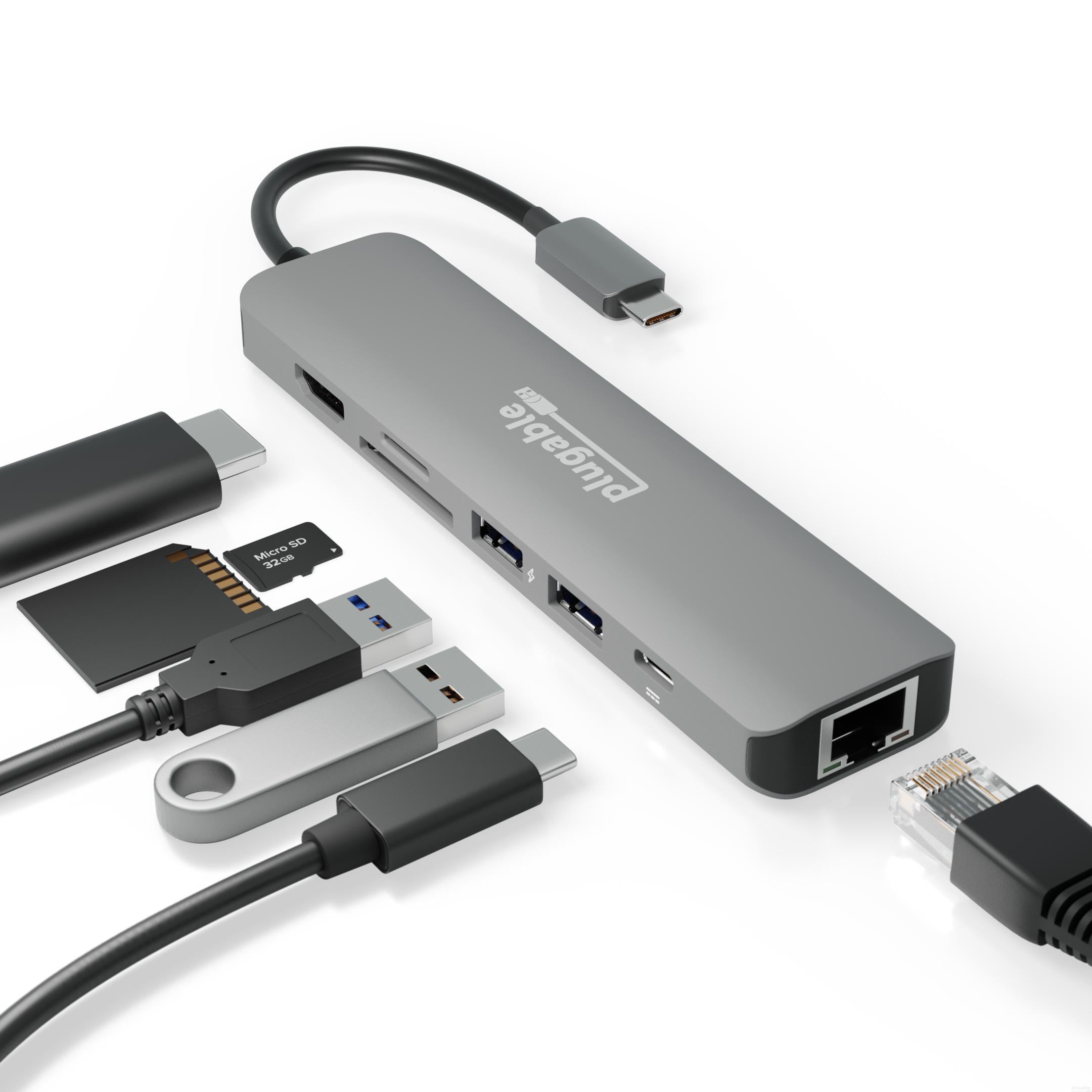
5 Benefits of Using a USB Hub for Your Devices
In today’s digital age, having multiple devices connected to your computer is more common than ever. One effective solution to this problem is using a USB hub. Here are five key benefits that come with utilizing a USB hub for your devices:
- Increased Connectivity: A USB hub expands the number of available USB ports, allowing you to connect multiple devices simultaneously. This is particularly useful for users with laptops that have a limited number of USB slots.
- Organization: USB hubs can help you keep your workspace tidy by reducing cable clutter. By consolidating multiple connections to one hub, you can minimize the mess of wires and improve your overall productivity.
Aside from improving connectivity and organization, USB hubs offer additional advantages:
- Data Transfer Speed: Many modern USB hubs support high-speed data transfer, ensuring that you don’t experience slowdowns when transferring files between devices.
- Cost-Effective: Instead of investing in additional devices or upgrading your computer's internal ports, a USB hub provides a budget-friendly solution to enhance your device’s capabilities.
- Portability: Compact and lightweight, USB hubs are easy to carry, making them a perfect companion for both home and travel use, allowing you to connect your devices wherever you go.
Counter-Strike is a popular multiplayer first-person shooter that pits teams of terrorists against counter-terrorists in various game modes. Players can choose from a variety of weapons and equipment to complete objectives, such as planting or defusing bombs. For those looking to enhance their gaming setup, it's worth checking out the Top 10 Travel USB C Hubs that can help improve connectivity and performance while gaming on the go.
How to Choose the Right USB Hub for Your Needs
Choosing the right USB hub is essential for maximizing your device's connectivity and efficiency. First, consider the number of ports you require. If you frequently connect multiple peripherals like keyboards, mice, and external drives, look for a hub with at least four to six ports. Additionally, determine whether you need USB 3.0 or USB 2.0 ports; USB 3.0 offers faster data transfer speeds, making it ideal for high-performance devices.
Another important factor is the hub's power supply. Some USB hubs are powered through the computer, while others have an external power adapter. If you plan to connect devices that require more power, such as external hard drives, opt for a powered USB hub to ensure optimal performance. Furthermore, consider the design and portability of the hub. A compact, lightweight option is perfect for on-the-go use, while a more robust design could be beneficial for a fixed workstation.
What to Look for in a Compact USB Hub: Key Features Explained
When searching for a compact USB hub, there are several key features to consider that can enhance your connectivity experience. Firstly, assess the number of USB ports available; a hub with multiple ports allows you to connect various devices simultaneously, which is crucial for multitasking. Look for hubs that offer a mix of USB-A and USB-C ports to ensure compatibility with all your gadgets. Additionally, check for data transfer speeds; a hub supporting USB 3.0 or higher will significantly reduce transfer times compared to older standards.
Another important aspect to consider is the design and portability of the USB hub. A compact and lightweight design makes it easy to carry, perfect for travel or on-the-go use. Furthermore, evaluate the build quality—hubs made from durable materials tend to last longer, especially when frequently plugged and unplugged. Lastly, investigate if the hub offers any additional features, such as power delivery for charging devices while in use or LED indicators for power and data transfer status. This will ensure you select a USB hub that not only fits your needs but also enhances your overall productivity.