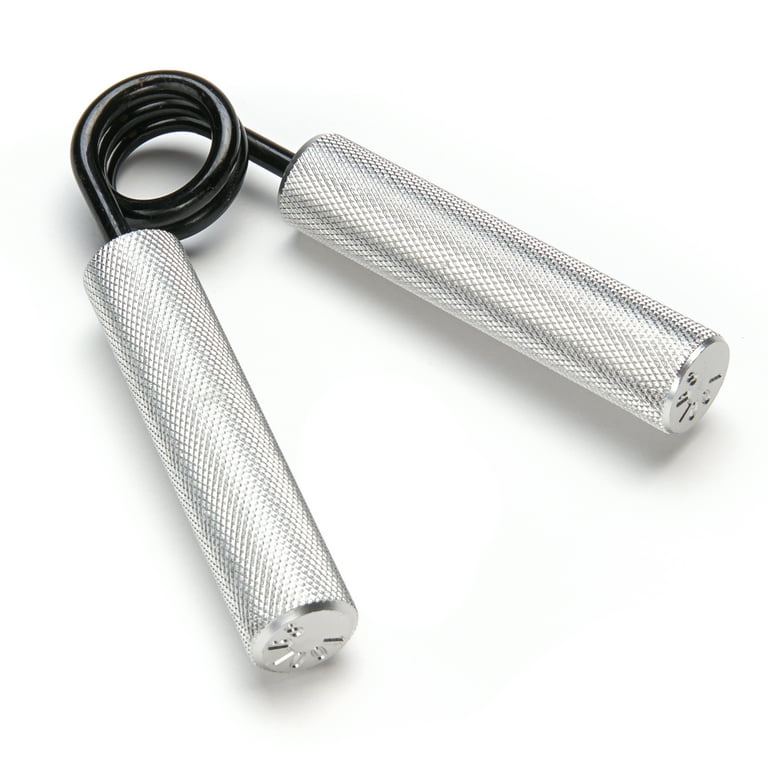
Mastering the Fundamentals: The Science Behind Proper Grip Techniques
Mastering the fundamentals of grip techniques is pivotal for enhancing performance in various sports and exercises. A proper grip not only ensures better control and stability but also minimizes the risk of injury. Different sports may require varied grip styles, but the underlying principles remain consistent. Understanding the science behind proper grip techniques involves recognizing factors such as grip strength, hand positioning, and the role of biomechanics. For instance, a firm grip in weightlifting can significantly impact lifting efficiency and overall results.
To further comprehend the importance of grip techniques, consider the following key aspects:
- Grip Strength: Essential for executing movements effectively and safely.
- Hand Positioning: Proper alignment can affect the mechanics of the entire body.
- Biomechanical Principles: Understanding how force and motion interact at the grip level can improve your overall performance.
Counter-Strike is a highly popular tactical first-person shooter game that has captivated millions of players worldwide. It focuses on teamwork and strategy, requiring players to work together to complete objectives such as bomb defusal or hostage rescue. As gamers gear up to enhance their gaming experience, they often look for accessories, such as the Top 10 iPhone Ring Holder Stands, to improve comfort and accessibility during intense gameplay sessions.
The Impact of Grip on Performance: Are You Holding Back Your Potential?
The grip is not just a physical connection between your hands and the equipment; it plays a crucial role in performance across various sports and activities. When athletes and fitness enthusiasts achieve the ideal grip, they can enhance their control, precision, and overall effectiveness. For instance, in weightlifting, a firm and secure grip can significantly impact the ability to lift heavier weights, as it allows for better stabilization and reduced chances of injury. Similarly, in sports like tennis or golf, the right grip can affect swing mechanics, leading to improved trajectory and accuracy of shots.
Despite its significance, many individuals often underestimate the importance of grip strength, which can lead to them holding back their potential. Developing a robust grip can enhance muscle engagement, reduce fatigue, and even improve endurance. To optimize your performance and avoid limitations, consider incorporating grip strength exercises into your training regimen. Effective techniques include
- dead hangs
- farmer's walks
- grip trainers
5 Common Grip Mistakes and How to Correct Them for Optimal Performance
When it comes to improving your performance in sports or weightlifting, mastering your grip is essential. Unfortunately, many athletes make common grip mistakes that can hinder their progress and even lead to injuries. One prevalent mistake is using an overly tight grip, which can cause tension in the forearms and decrease overall control. To correct this, focus on a relaxed grip that allows for fluid movement while still maintaining stability. A well-balanced grip will enhance your performance and reduce unnecessary strain on your muscles.
Another common grip mistake is improper thumb placement, which can negatively affect your grip strength and stability. A proper grip typically involves wrapping your thumb around the bar or object you're holding, creating a secure hold. If your thumb is wrapped under the bar or completely off, it can lead to instability. To improve your grip, ensure that your thumb is securely wrapped around the bar, providing optimal control and technique. By refining your grip technique, you enhance your performance and lower your risk of injury dramatically.