Top 5 Ergonomic Essentials for Your Home Office
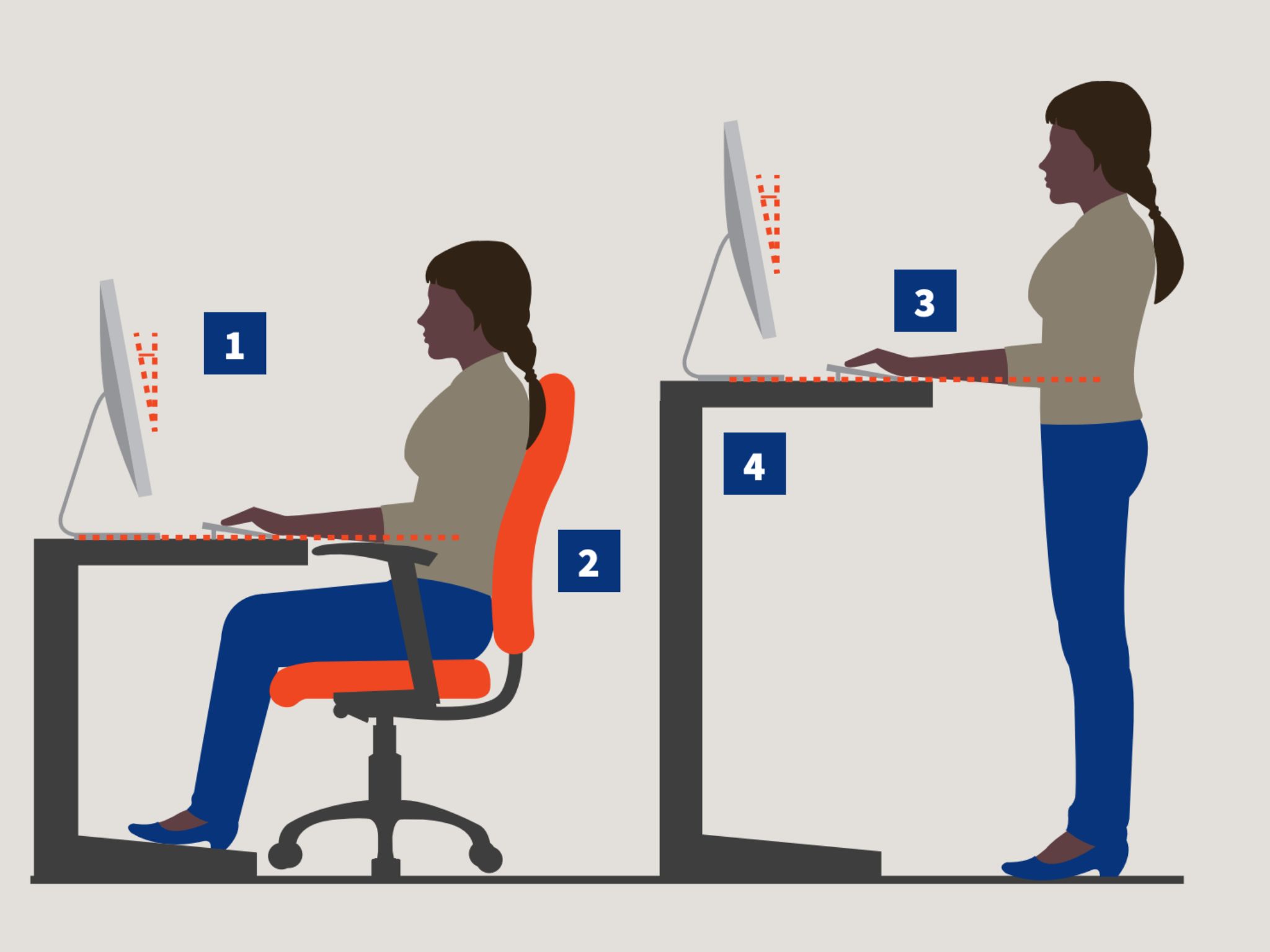
Creating a comfortable and productive workspace is essential for anyone who spends long hours at their home office. The right ergonomic essentials can significantly improve your posture, reduce the risk of injury, and enhance overall comfort. Here are the Top 5 Ergonomic Essentials for Your Home Office:
- Ergonomic Chair: An adjustable ergonomic chair provides lumbar support, and adjustable height, and promotes proper posture, making it a crucial investment for your work environment.
- Height-Adjustable Desk: A height-adjustable desk allows you to alternate between sitting and standing, encouraging better circulation and reducing fatigue.
- Monitor Stand: Keeping your monitor at eye level can reduce neck strain. A monitor stand can help you achieve the ideal height for screen viewing.
- Keyboard and Mouse: Using ergonomic keyboards and mice that support your wrist can prevent repetitive strain injuries. Aim for a natural hand position while typing and clicking.
- Footrest: A footrest can help maintain proper leg positioning, reducing the strain on your lower back and legs while sitting for extended periods.
Counter-Strike is a popular tactical first-person shooter game that has been a staple in the gaming community since its release. Players assume the roles of either terrorists or counter-terrorists, competing in various game modes to accomplish specific objectives. For gamers looking to enhance their overall experience, several accessories can dramatically improve gameplay, including Top 10 iPad Accessories for Reading, which may be insightful for mobile gamers.
How to Choose the Right Chair for Maximum Comfort
Choosing the right chair for maximum comfort is essential for maintaining your well-being, especially if you spend long hours sitting. Start by considering ergonomics; an ergonomic chair is designed to support your body’s natural posture. Look for features like adjustable seat height, lumbar support, and armrests. Additionally, the materials used in the chair can significantly impact comfort. Chairs made with breathable fabric or memory foam can provide better support and reduce discomfort while you work.
Another important factor to consider is the chair's size and design. Measure your workspace to ensure the chair fits comfortably without crowding your area. If you share your workspace with others, consider a design that is versatile and aesthetically pleasing. To make the process easier, here are some tips:
- Test the chair in-store or read reviews for real user experiences.
- Check the weight capacity to ensure it suits your needs.
- Don’t forget about the style; aesthetics matter too!
Is Your Workspace Hurting You? Signs of Poor Ergonomics
In today's fast-paced work environment, poor ergonomics can lead to a myriad of health issues that can affect your productivity and overall well-being. If you're experiencing persistent discomfort or pain, it's essential to recognize the signs that your workspace may be hurting you. Common indicators include neck and back pain, frequent headaches, and repetitive strain injuries. Take a moment to assess your workspace: Is your chair properly adjusted? Are you straining your eyes to look at your screen? Answering these questions can help you identify potential ergonomic pitfalls.
To mitigate the risks associated with poor ergonomics, consider these three key factors:
- Workstation Setup: Ensure your monitor is at eye level, your chair provides adequate lumbar support, and your keyboard is positioned to keep your wrists straight.
- Regular Breaks: Take short, frequent breaks to stretch and reposition yourself, which can drastically reduce tension and fatigue.
- Proper Posture: Maintain an upright posture with feet flat on the floor, which can help minimize strain on your body.