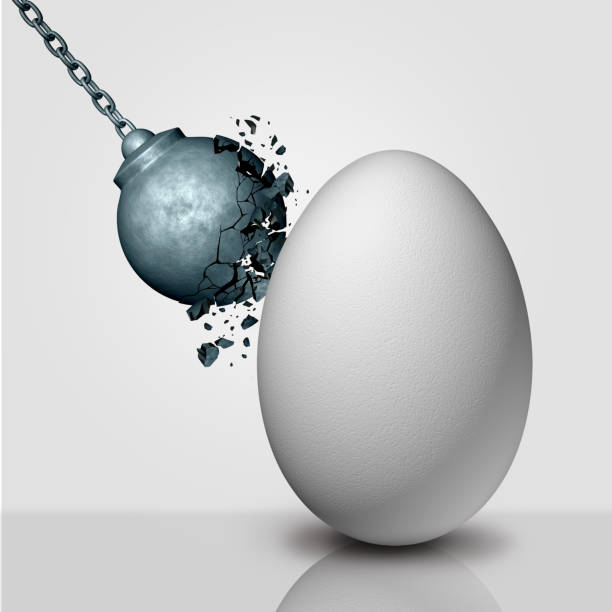
The Hidden Strength: How Durability Shapes Our Daily Lives
Durability is often an overlooked attribute in the products and materials we interact with daily, yet it significantly shapes our lives in ways we might not immediately recognize. From the furniture we choose for our homes to the clothing we wear, the strength and longevity of these items contribute to a sense of security and satisfaction. Products built to last not only provide value for money but also reduce the need for constant replacements, thereby minimizing waste. This aspect of durability plays a crucial role in fostering sustainable consumer habits, making us more conscious about the choices we make.
Moreover, the significance of durability transcends mere physical items; it extends into the realm of our daily routines and mental well-being. For example, reliable technology, such as smartphones and laptops, enhances productivity and connectivity, nurturing both personal and professional relationships. When we invest in durable goods, we also invest in our peace of mind. These items withstand the test of time, becoming trusted companions in our lives. As we embrace durability in our purchases, we cultivate a lifestyle that values quality over quantity, ultimately enriching our experiences.
Counter-Strike is a highly popular first-person shooter game that pits teams of terrorists against counter-terrorists in intense matches. Players can choose different weapons and gameplay strategies to outmaneuver their opponents. For those looking to enhance their gaming experience, check out the Top 10 iPhone 17 Belt Clip Holsters to keep your device secure while you play. With its competitive scene and a dedicated player base, Counter-Strike continues to be a staple in the esports community.
Beyond the Surface: Understanding the Importance of Durability in Everyday Products
In today's world, consumers are often drawn to products that not only look appealing but also deliver on performance and longevity. Durability serves as a crucial factor in the decision-making process, particularly as we navigate through a marketplace flooded with options. Understanding the importance of durability means recognizing how it impacts not only the overall quality of a product but also its sustainability and economic viability. When products are designed to withstand wear and tear, they not only minimize the need for replacements but also lead to less waste, ultimately contributing to a healthier planet.
Moreover, investing in durable products can save consumers money in the long run. While it may be tempting to opt for lower-priced items that may not last, investing in durable goods typically leads to greater satisfaction and fewer premature replacements. Consider the items we use daily, from kitchen appliances to clothing; prioritizing durability ensures that we are not only making wise financial choices but also supporting brands that value longevity and quality. Durability is not just a benefit—it’s a necessity for ensuring the reliability and performance we expect in our everyday lives.
Is Durability Overrated? Exploring Its Impact on Sustainability and Consumer Choice
The debate surrounding durability often positions it as a hallmark of quality in consumer goods. However, when we ask the question, is durability overrated? it prompts a deeper analysis of its implications for sustainability and consumer choice. While durable products typically promise longevity, they can also lead to a culture of overconsumption, as consumers may favor items that are built to last rather than considering the environmental impact of their production processes. For instance, a product crafted from sustainable materials may be less durable but significantly less harmful to the planet and its resources.
Furthermore, consumer choice is inherently tied to perceptions of durability. Studies indicate that consumers often perceive durability as synonymous with value, leading them to overlook alternatives that could be more sustainable. In this context, it is crucial to educate consumers on the balance between durability and environmental impact. By focusing on alternatives that are both eco-friendly and serve their intended purpose effectively, we can shift from an emphasis on durability alone to a more holistic view of sustainability. Ultimately, the conversation must evolve to incorporate not just how long something lasts, but how it affects our world.