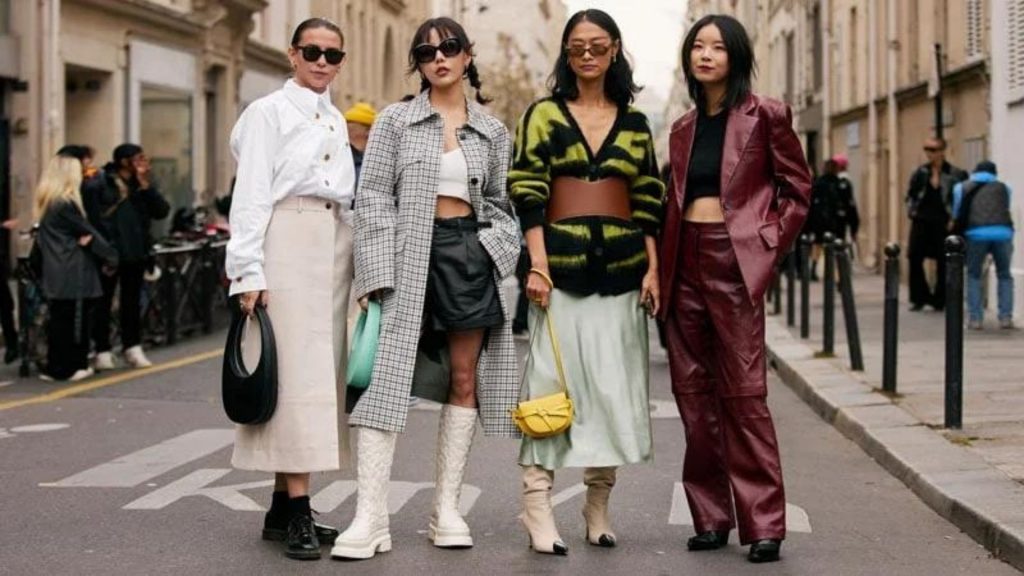
The Impact of Color on Mood: How Your Clothing Choices Affect Your Mindset
The psychology of color has long been studied for its profound impact on human behavior and emotions. Wearing certain colors can influence your mood and mindset significantly. For instance, bold and vibrant colors like red can evoke feelings of passion and excitement, while softer tones such as blue often promote a sense of tranquility and calm. This means that your daily clothing choices can act as a visual language, subtly communicating how you feel or how you want to be perceived.
Moreover, understanding the effects of color can help you curate a wardrobe that enhances your emotional well-being. To make informed choices, consider the following tips:
- Assess your current mood and select colors that align with or uplift it.
- Incorporate a variety of hues to reflect different aspects of your personality.
- Experiment with seasonal palettes to keep your wardrobe fresh and invigorating.
Counter-Strike is a popular first-person shooter game that has captivated millions of players around the world. It emphasizes team-based gameplay and strategy, where players choose to play as terrorists or counter-terrorists. As players dive deeper into the game, they often look for ways to enhance their gaming setup. For those needing protective gear for their devices, check out the Top 10 macbook keyboard covers to keep their keyboards safe from wear and tear.
Dressing for Success: The Psychology of Color in Professional Settings
When it comes to dressing for success, the psychology of color plays a crucial role in creating perceptions and influencing interactions within professional settings. Different colors evoke distinct emotions and can significantly affect how individuals are perceived in the workplace. For example, wearing blue is often associated with trust and dependability, making it an ideal choice for business meetings. On the other hand, red can convey power and assertiveness, making it a great option for leadership roles. Understanding these color associations is essential for professionals looking to enhance their presence and impact.
Moreover, incorporating the right colors into your wardrobe can boost your confidence and improve your performance. Research shows that individuals dressed in colors that align with their professional goals often experience a psychological boost, which can lead to enhanced productivity and effective communication. To further optimize your professional image, consider creating a color palette that reflects your personal brand, allowing you to be seen as both approachable and authoritative. Ultimately, dressing with an awareness of the psychology of color can empower you to make a lasting impression in any professional scenario.
What Does Your Wardrobe Say About You? A Deep Dive into Fashion Psychology
Your wardrobe is more than just a collection of clothing; it's a reflection of your personality, social status, and even your emotional state. Fashion psychology delves into the intricate relationship between what we wear and how it influences our self-perception and the way we are perceived by others. What does your wardrobe say about you? It can reveal your values, your moods, and even your aspirations. For instance, someone who opts for bold colors and daring styles may be seen as adventurous and confident, while a preference for neutral tones and classic cuts might suggest a more conservative and traditional personality.
Moreover, the choices we make in our wardrobe can impact our behavior and mindset. Studies have shown that wearing certain types of clothing can boost confidence and enhance focus, a phenomenon known as enclothed cognition. For example, donning a sharp suit can instill a sense of authority and professionalism, while cozy loungewear might promote relaxation and comfort. This interplay between fashion and psychology invites us to explore deeper questions: What message do your outfit choices communicate? and How deliberately are you crafting your personal brand through your wardrobe?